
Lizard Point
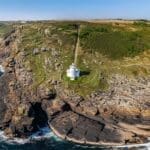
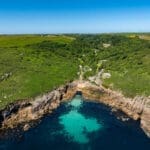
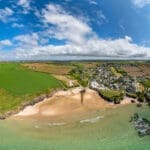
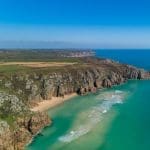
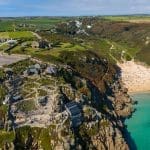
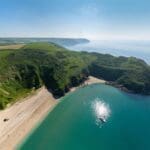
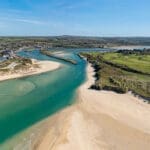
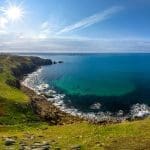
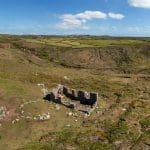
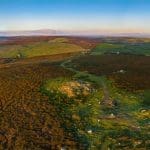
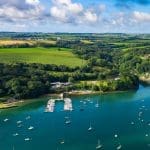
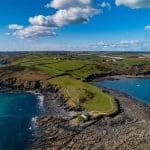
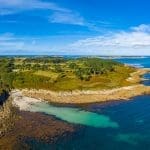
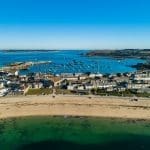
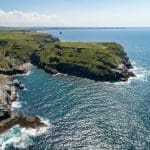
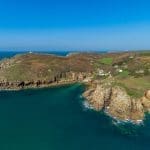
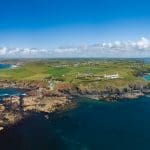
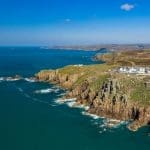
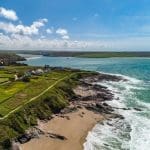
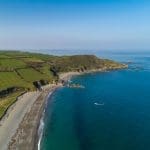
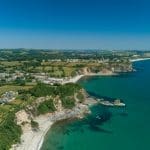
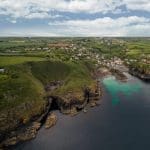
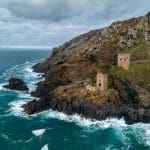
49° 57' 29" N 5° 12' 22" WLizard Point is the most southerly point of mainland UK.
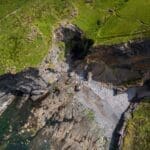
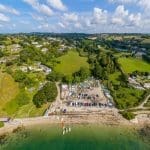
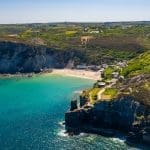
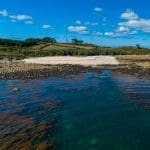
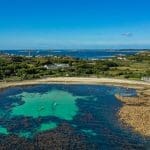
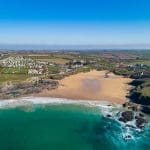
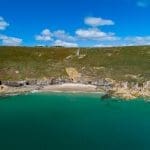
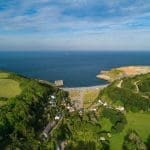
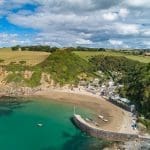
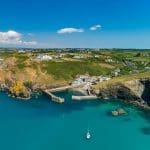
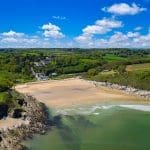
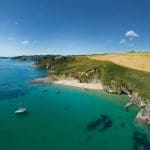
There is a small cove known as Polpeor tucked beneath the cliff below. The Lizard Lifeboat Station was originally here before relocating to Kilcobben Cove near Church Cove.
Get full 7-day weather and tide data for each location on our new 360 Cornwall App
- Carpark (National Trust)
- Public Toilets
- Cafés (Seasonal)
- Shop
- Hazard: Cliffs
- Hazard: Strong currents
- Hazard: Deep Water
- Lifeguards not available
- Dogs allowed (All year)
- 5 minute walk from carpark
History of Lizard Point
Lizard Point, renowned for being the most southerly point of the British mainland, holds a rich tapestry of maritime history, marked by tales of shipwrecks, daring rescues, and significant advancements in navigation. Its treacherous waters, where the Atlantic Ocean meets the English Channel, have been the site of countless shipwrecks over the centuries, necessitating a robust system for guiding vessels safely past its rugged coastline.
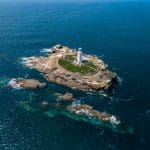
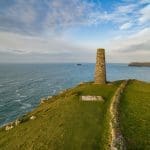
The iconic Lizard Lighthouse, first lit in 1619, stands as a testament to the area’s long-standing significance in maritime navigation. The need for a lighthouse on the Lizard Peninsula was recognized early on due to the hazardous shipping lanes that have claimed many ships. The current structure, which visitors can see today, dates back to 1751 and has undergone various technological advancements over the years, including the introduction of electric light in 1924, significantly enhancing its beam’s reach and reliability.
Beyond its role in maritime safety, Lizard Lighthouse has also played a part in scientific advancement. It was one of the first places where wireless telegraphy experiments were conducted by Guglielmo Marconi in the late 19th and early 20th centuries, further underlining the Lizard Peninsula’s contribution to maritime navigation and communication. Today, Lizard Point and its lighthouse not only serve as crucial aids to navigation but also as symbols of human ingenuity in the face of nature’s challenges, drawing visitors from around the world to marvel at its history and natural beauty.
Travel / Parking information for Lizard Point
Directions to Lizard Point
Lizard Point is accessible by road via the A3083, which leads directly to the Lizard village. From the village, follow signposts south to reach Lizard Point. For those using public transport, regular bus services run to Lizard village from Helston and other nearby towns, from where Lizard Point is a short walk away.
Parking for Lizard Point
Parking at Lizard Point is facilitated by a National Trust car park located a short distance from the point itself. This car park is well-equipped to accommodate visitors, including those with disabilities, and charges a fee to non-National Trust members. Early arrival is recommended during peak tourist seasons to ensure parking availability.







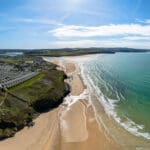




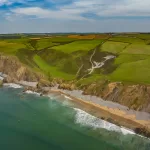
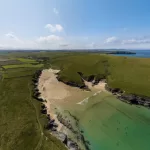


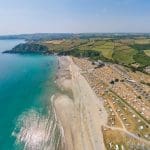











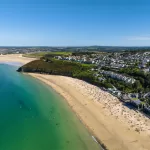

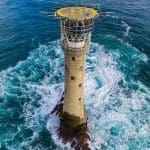



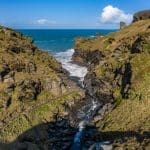
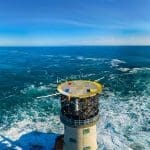
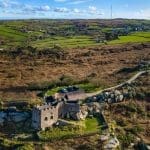

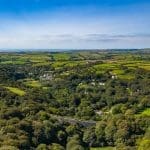

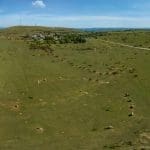
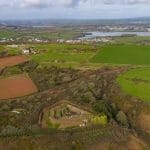


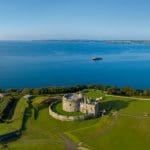
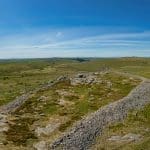


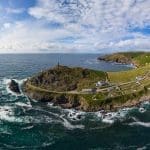
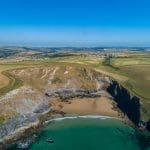









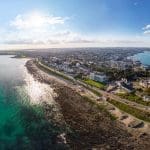
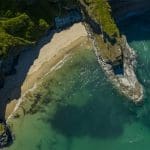
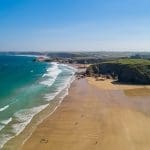


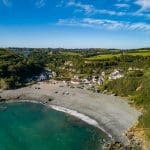

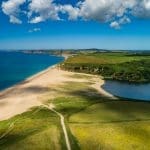
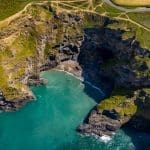


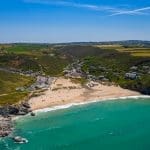
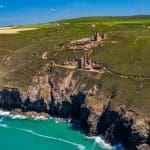








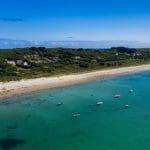
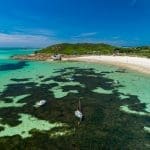

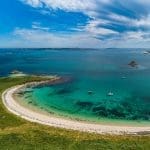
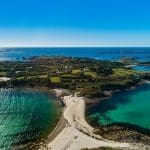























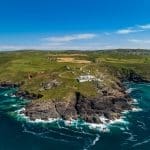
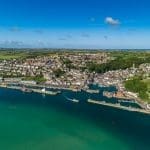
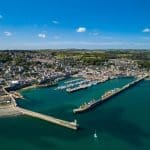

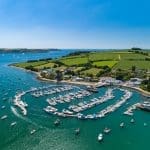















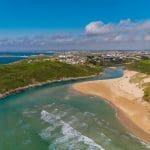

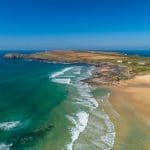

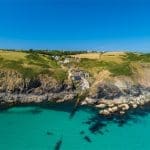
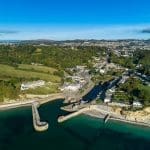











Watch an aerial video of Lizard Point, Cornwall
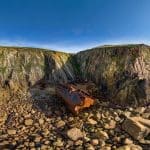
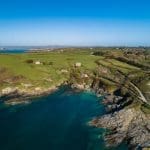
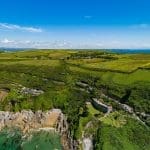
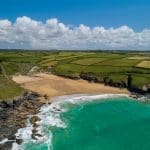
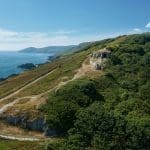
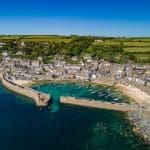
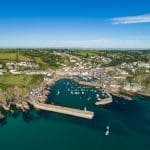
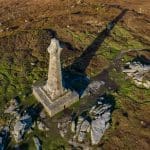
Lizard Point is the most southerly point in Great Britain. It is famous for the local serpentine stone, a unique metamorphic rock which is dark green veined with red and white.